Light Requirements
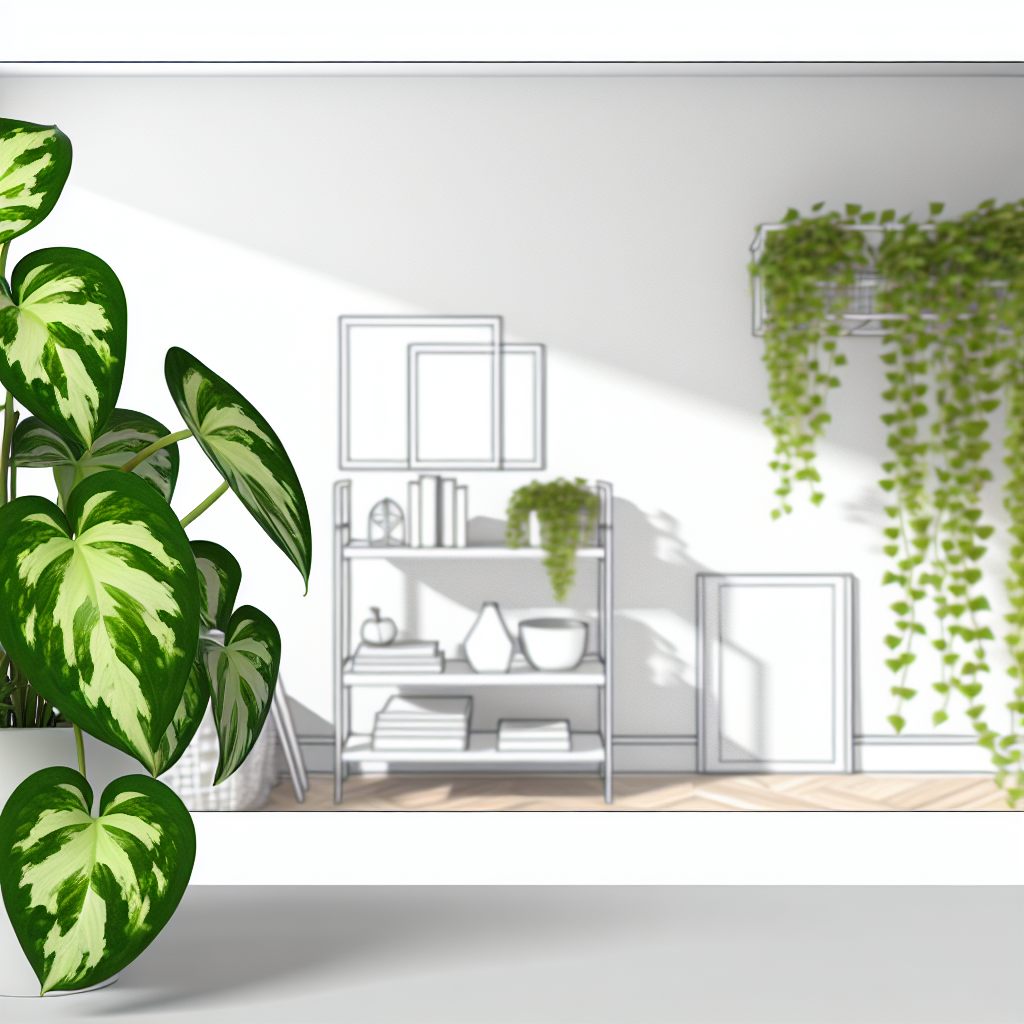
Pothos are the champions of adaptability when it comes to light. They can tolerate low light, but they thrive in medium to bright indirect light. Variegated varieties (like Marble Queen or Golden Pothos) may lose some of their beautiful markings in lower light conditions, so giving them a bit more sun will keep their colors vibrant. Avoid direct sunlight, which can burn the leaves.
Watering
Pothos are great communicators. They will visibly droop when they are thirsty. It's a clear sign that it's time to water. Water thoroughly and allow the soil to dry out between waterings. They are more tolerant of underwatering than overwatering. If the leaves start turning yellow, you are likely watering too often.
Pruning and Propagation
One of the best features of Pothos is how easy they are to propagate. To keep your plant full and bushy, you can trim back the long vines every few months. Take those cuttings, place them in a jar of water, and within a few weeks, they will grow roots. Once the roots are an inch or two long, you can plant them back in the pot for a fuller plant or start a whole new one!
Toxicity
It's important to note that Pothos plants are toxic to cats and dogs if ingested. Be sure to place them in a location where your furry friends can't get to them, such as in a hanging basket or on a high shelf.