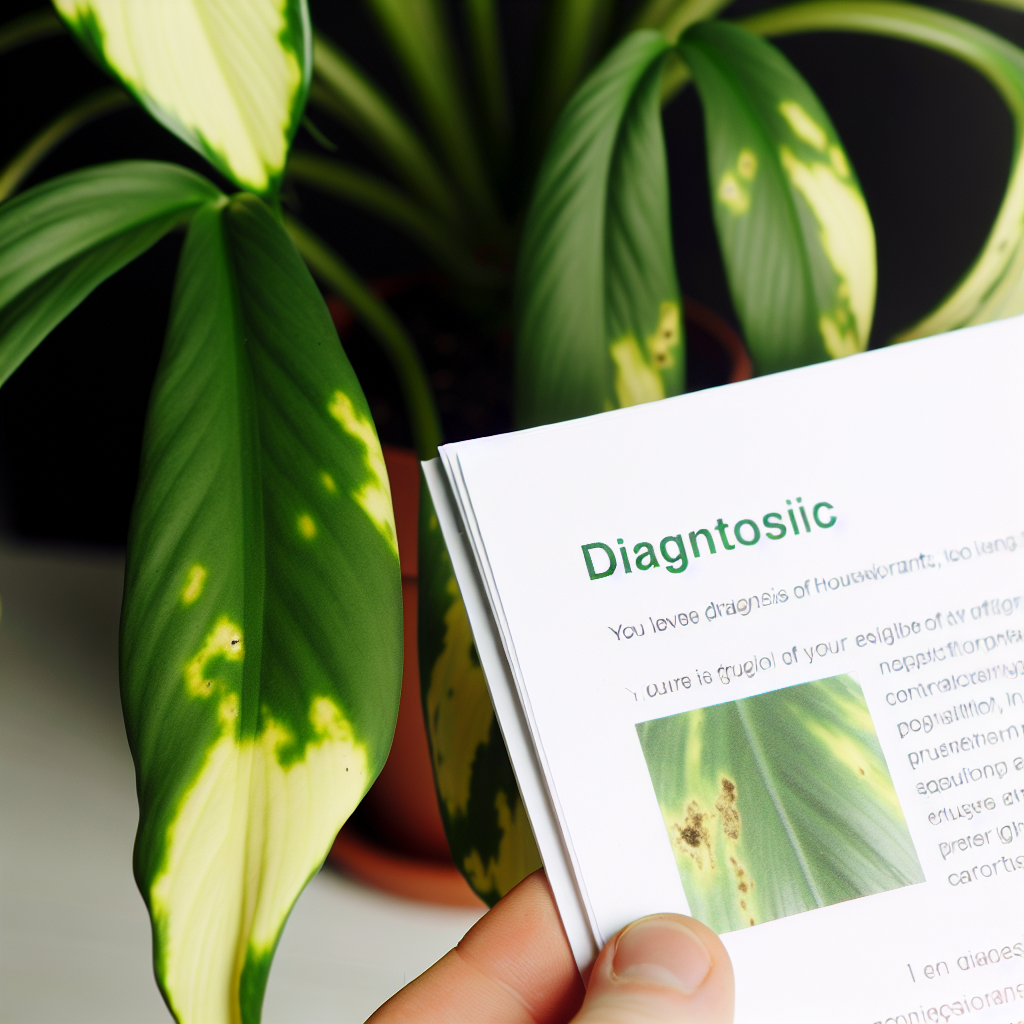
The Number One Culprit: Watering Issues
More often than not, yellow leaves (a condition called chlorosis) are related to water. Both too much and too little can cause them.
- Overwatering: This is the most common cause. When roots sit in soggy soil, they can't breathe, leading to root rot. The leaves turn yellow and may feel soft or mushy. The fix? Let the soil dry out completely before watering again, and ensure your pot has good drainage.
- Underwatering: If you're waiting too long to water, the plant will sacrifice its older, lower leaves to conserve resources for new growth. These leaves will typically turn yellow and become crispy before falling off.
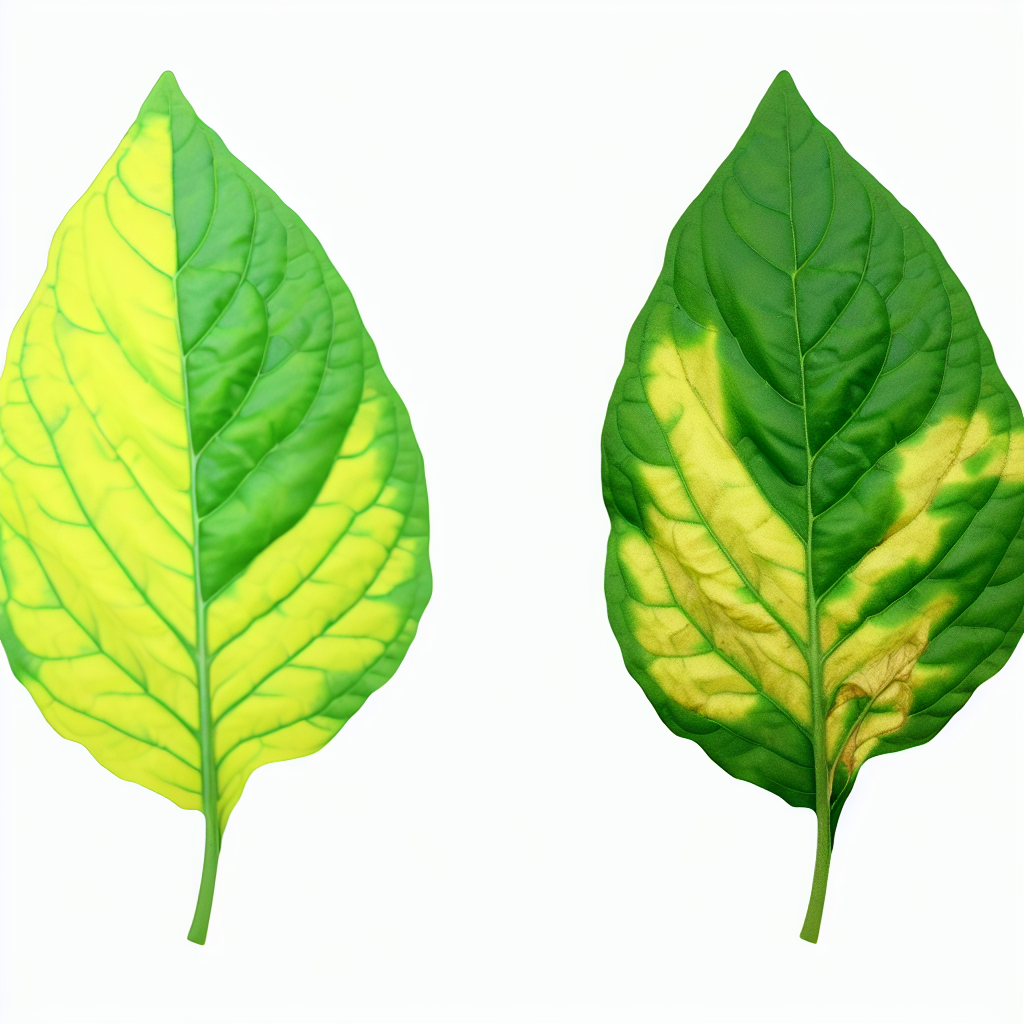
Other Possible Causes
If you're confident your watering routine is on point, consider these other possibilities:
Lighting: Is your plant getting too much direct sun, which can scorch leaves, or not enough light, which can cause older leaves to fade and drop? Check the specific light requirements for your plant.
Nutrient Deficiency: If the soil is old and depleted, your plant might be lacking essential nutrients, often nitrogen. If the yellowing is widespread, it might be time to fertilize your plant (but be sure to follow the directions to avoid fertilizer burn).
Pests: Tiny pests like spider mites can suck the life out of leaves, causing them to yellow and stipple. Inspect the undersides of leaves carefully for any signs of infestation.
It's Just Natural: Sometimes, it's perfectly normal for the oldest, lowest leaves on a plant to slowly turn yellow and drop off as the plant focuses its energy on new growth. If it's just one or two leaves and the rest of the plant looks healthy, you probably have nothing to worry about.